
On Moving Backwards Through Time
Or: Returning to the Russians

As the world and its technologies barrel forward relentlessly into the future, I find myself moving back, back, and further back into the past.
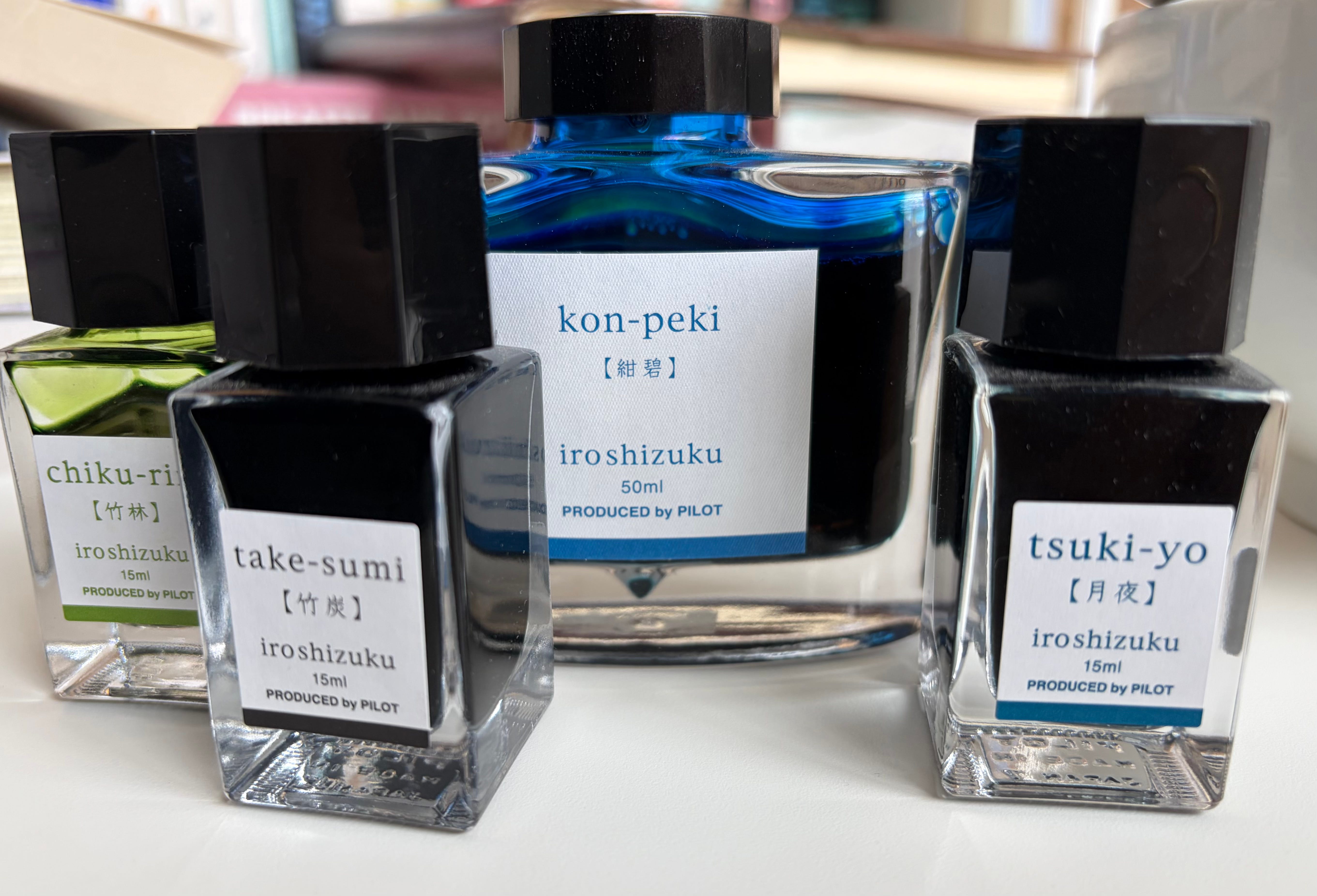
Here is what I mean: for one, I have long been a write-by-hand-in-notebook kind of writer. I cannot think with the blinking cursor yelling at me in that bossy voice of his. But this past year I’ve de-mechanized even more by taking up the collection of inks and fountain pens. Slowing down my slowness.
I’ve also moved backwards when it comes to my reading: back to the Russians, back to the classics. I suppose because of the last handful of years studying in an MFA, trying to get an agent, and then publishing and then promoting Shanghailanders, I was surrounded by and invested in the discourse around contemporary fiction. I was listening to new release podcasts, aware of bestseller lists and celebrity book clubs and book awards, following fellow debut journeys as if all of that were LIFE itself. Compare contrast, compare contrast, dream and hope and plan and do. Of course, there was also the very real marketing meetings, the book tour, the sales data. I am truly grateful that I can now write Author in the Occupation box. I loved those frenetic years leading up to and resulting in publication. But the truth is that for a good while now I have been reading almost exclusively contemporary fiction. This has been illuminating, exciting, and at times disheartening.
Some contemporary novels make me want to raise my arms to the sky and shout Hallelujah! Some of them I will never, ever finish. Some of them feel cool but I will not remember them in five years’ time. And some of them push me off of a cliff into the narrow but deep pit of despair that is the very specific and quite unsympathetic pit of despair reserved for lit fic writers in the age of romantasy/slop.
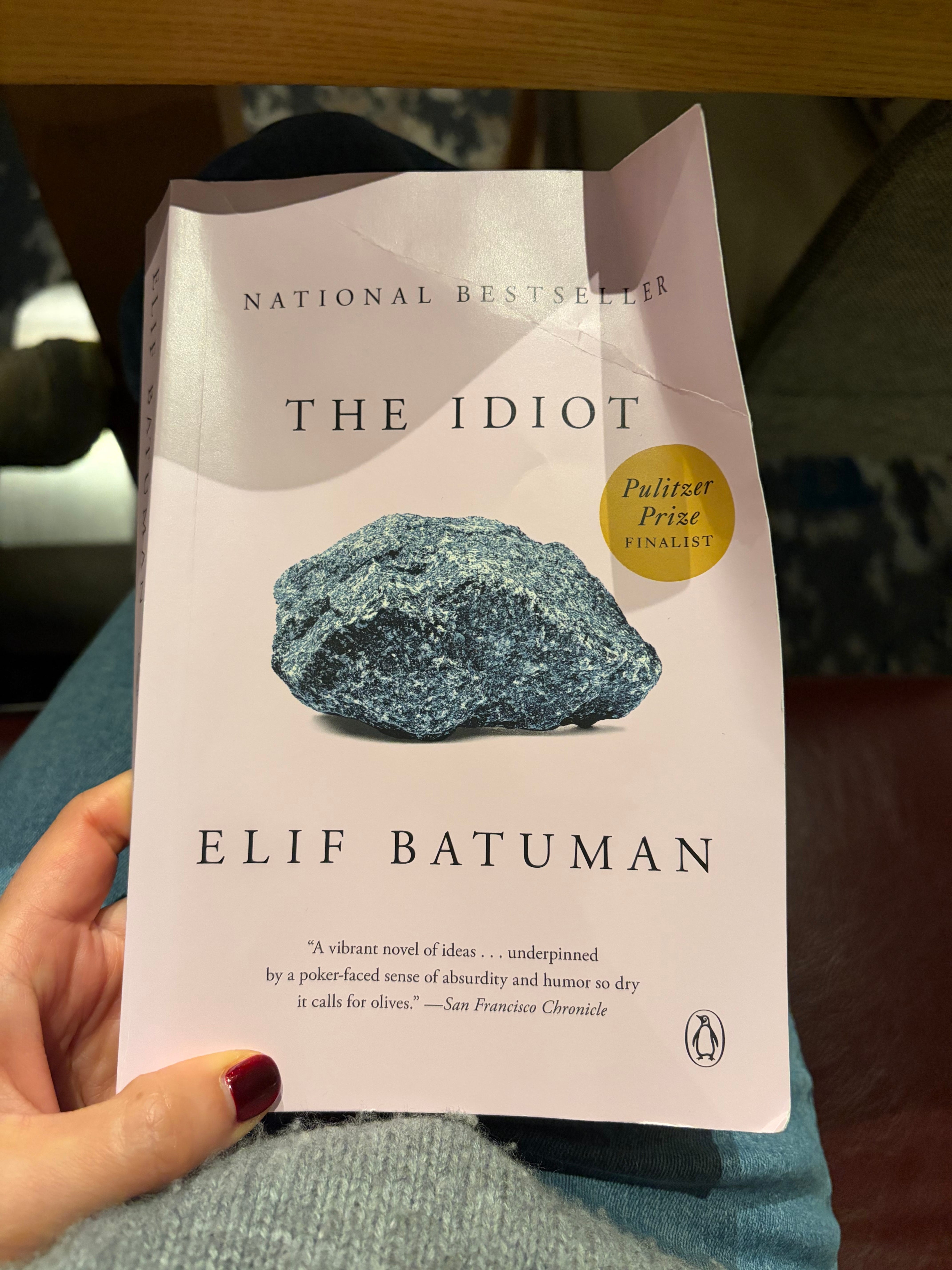
My decision to move away from the literary moment and read more from the past was not a direct reaction to all of the above. Rather, it was inspired by Elif Batuman’s novel The Idiot. If you’ve read this delightful novel, you’ll know that it is the story of a young woman from NJ who begins studying at Harvard, specifically Russian language and literature, falls in love, and tries to make sense of her life by exploring structures of meaning and narrative.
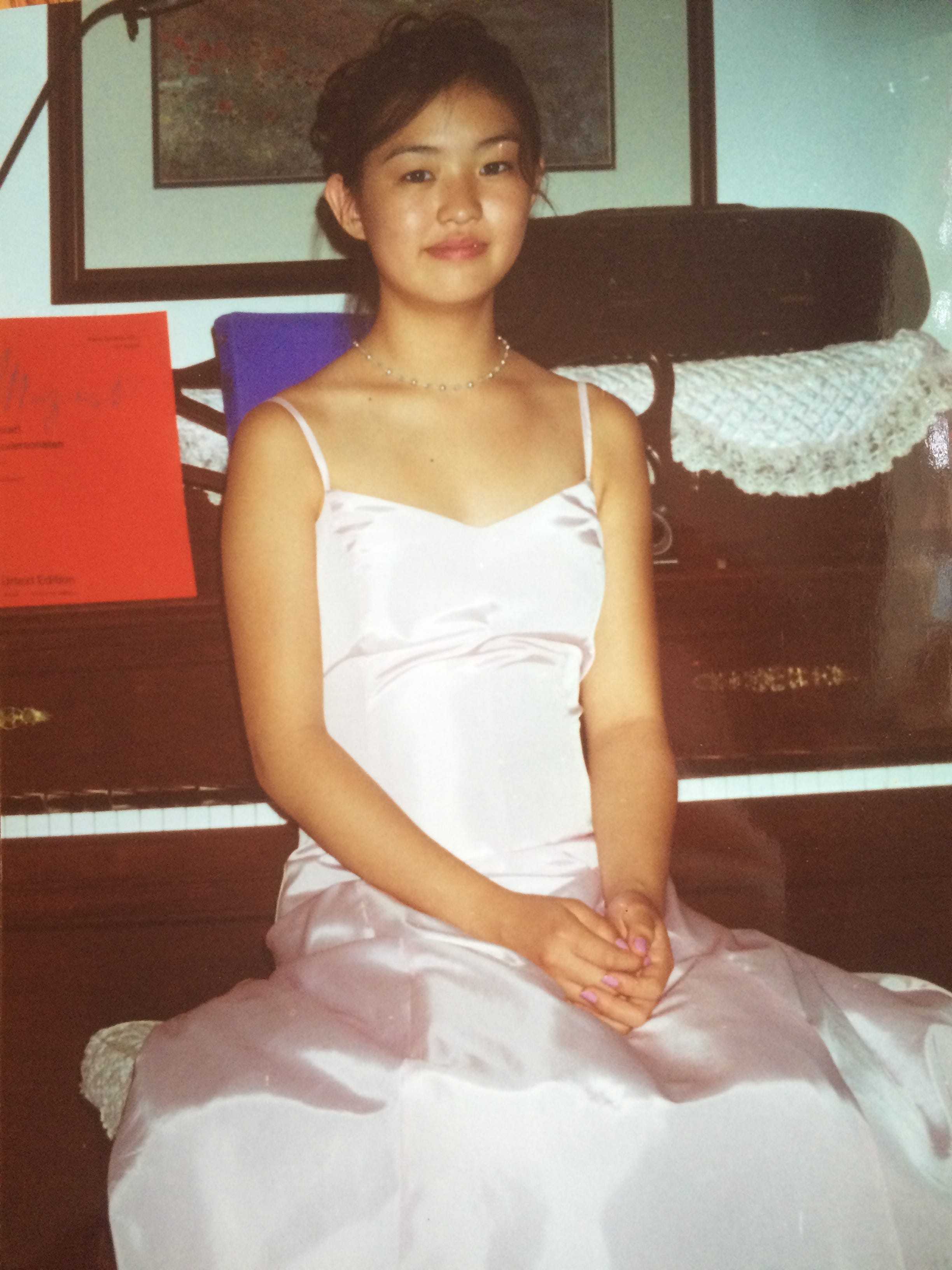
Did you know that I too was once a young woman from NJ who studied Russian literature at Harvard and tried to make sense of the quotidian absurdities of life? Like Elif, like Selin, just a few years removed. I’m pretty sure we had the same Russian language instructor. I’m pretty sure we sat awkwardly on the same hard chairs in the same little cafe with the slanted checkered floor, facing the same kinds of strange and oddly attractive boys. What a silly and beautiful time, college: discovering whole worlds of knowledge, not caring about anything real, not tethering oneself to the concept of time. How transportive and nostalgic this book was for me, how viscerally it made me remember and long for my first love, that broody and poetic and complicated russkiy yazık.
Reader, I went back to him. I opened a short story collection and tried reading once more. I even got a tutor and did some language study. And I decided to return to that place of origin: those big, bad 19th century boys.
I then picked up Batuman’s The Possessed, subtitled: Adventures with Russian Books and the People Who Read Them. In the intro to that book, Batuman tries to locate the genesis of her love for Russian literature. She identifies a mysterious, confusing, almost surrealist violin teacher, one of the first Russians she knew who became associated thus in her imagination with the language and literature.
Reading this, I likewise searched my own past for those first formative interactions. I could identify two. First: a young girl who transferred into my elementary school, I believe in fourth grade, I believe in the middle of the year (a dramatic entrance in and of itself). I became her friend and went to play at her large house, where I learned that her family made their money by running a string of liquor stores. Liquor! Stores and stores of it! What a dangerous and adult world. Not only this, but her family spoke English with an alluring accent - one I’d never heard before (my best friends then were Chinese and Indian).
Second: I began fencing as a middle schooler, choosing sabre with an unshakable and instant conviction that surprised everyone but that can only attest to my outwardly reserved but inwardly stubborn, aggressive, and possibly sadistic nature. Later that year I joined a private fencing club and began intensive, almost daily lessons. Naturally, the head coach was Russian. Naturally, the club was housed in a grand Montclair mansion with an upward sloping front lawn as long as a soccer field that set it far and above the peaceful street, the other neighboring mansions. The room where we fenced could only have been a former ballroom, cleared out for many pairs of fencers to go back and forth across its grand width, scratching its herringbone lacquered floors, lunging and parrying, feinting and faulting. My instructor, in his brown suede arm-and-half-chest cover moved backwards away from me, drilling various forms of attack, genial and patient and genteel. His imperviousness to the slash of my beginner’s sword. The room’s yellow glow from the crystal chandeliers. One length of the room covered in French doors that opened out onto the dark sea of grass. (I always went in the evenings.) The fencing terms themselves, Russian accented French, en garde! I write this all through the foggy lens of time, decades. I was thirteen years old when I began fencing. That is to say: this is maybe not how it was; this is how it felt.
The liquor, the sword fighting, the people, the ballrooms. Is it any wonder at all, could it have been any other way? Like Batuman, I had been primed for an adventure with Russian literature. Or maybe I had always been inclined to its particular brand of romance, violence, beauty, voice.
So I am re-reading, and also in some cases shamefully reading for the first time, books on the classic Cyrillic syllabus. Beyond that, I’ve also recently decided to do a sort of humanities great books gap-filling exercise. (Don Quixote? I skimmed that big boy in sophomore seminar.) Years and years, this will take years. But I’ve got years! (This is something you realize, on the precipice of forty, looking back at so much wasted time.) I no longer want to spend all of my reading life chasing the next exciting new release, joining in on ever-fleeting conversation.
Anyway, that’s what book clubs are for, and I am currently a member of three. :)
My marketing assistant likely will ask me to post about my adventures in Russian literature (hi, P!), as apparently Russian literature is very en vogue these days on social media. She runs my accounts in fits and starts (I freak out every few months and ask her to pause, then resume). I likely won’t do, to be honest, because I only like writing long form blogs in fits and starts, ha. But on the off chance, if you’d like to join along in said manner, feel free to: here, here.
For my classics gap-filling syllabus, I’m picking and choosing from this lovely list by Ted Gioia.
Allez!
Juli, I agree about so much contemporary fiction. I've been doing random scans of the books on my shelves for exquisite sentences. And they're so much harder to find in current lit than they are in books even 20 years old. I fault impatience and shortened/diluted attention spans. I hope you're writing, as well as reading!